Eggless Gingerbread Cookies
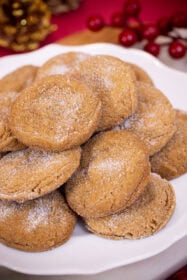
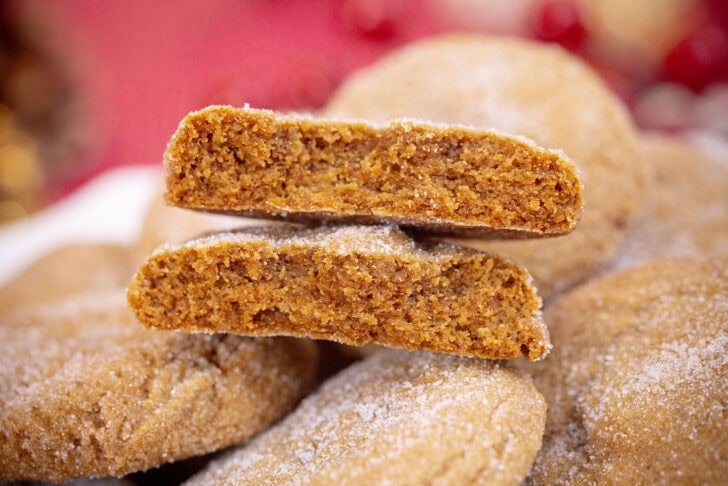
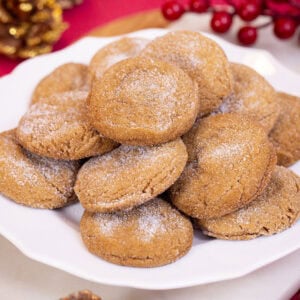
These eggless gingerbread cookies are soft and chewy in the middle, a little crisp at the edges, and rolled in sugar so the tops crackle and sparkle in the oven. They have all the molasses and warm spice you want from gingerbread, and you don’t need a single egg to make them.
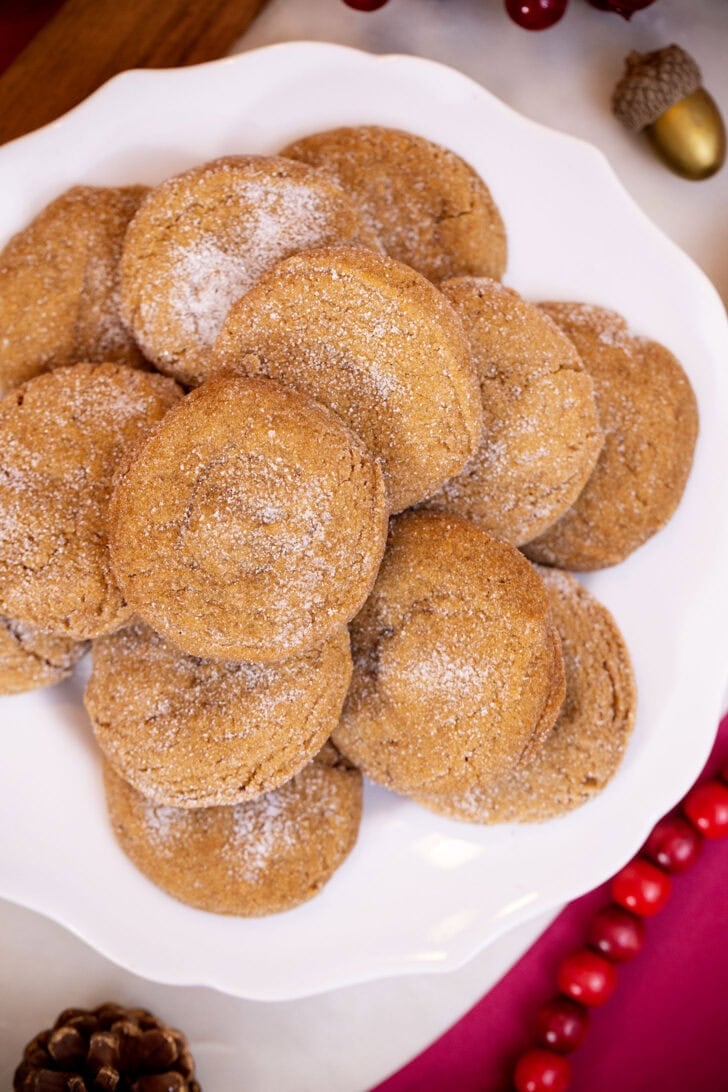
They’re also the easiest gingerbread cookies I make. There’s no rolling pin, no cookie cutters, and no icing. You mix the dough, chill it for half an hour, roll it into balls, and bake. They’re perfect for a holiday cookie exchange or a plate for the neighbors, and they’re just as good on a random afternoon with a cup of coffee.
Why You’ll Love These Gingerbread Cookies
These cookies are:
- made without eggs or egg substitutes
- soft and chewy with lightly crisp edges
- packed with molasses, ginger, cinnamon, cloves, and nutmeg
- scooped and rolled, so no cookie cutters needed
- made with basic baking ingredients you probably already have
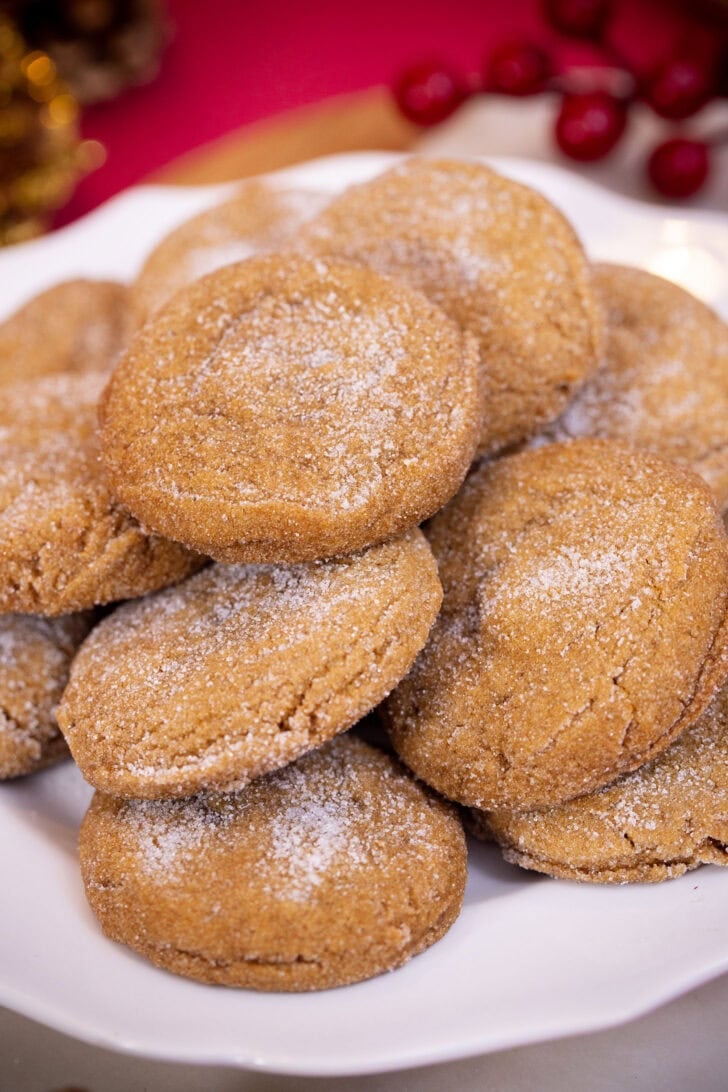
The sugar coating gives them that pretty crackled look, so they look festive on a cookie tray without any decorating.
Gingerbread Cookies vs. Molasses Cookies
The two are really close. Both usually have molasses, brown sugar, and warm spices. The main difference is texture. Gingerbread cookies are often rolled out, cut into shapes, and baked until they’re firm enough to decorate. Molasses cookies are usually soft and chewy, and they’re rolled in sugar before baking.
These are kind of a mix of both. They have the spice of gingerbread with the chewy texture and sugar coating of a molasses cookie.
How Do You Make Gingerbread Cookies Without Eggs?
Butter, milk, and molasses do the work here. The butter keeps the cookies rich and tender, a few tablespoons of milk add moisture and help the dough come together, and the molasses keeps them chewy while giving them their color and flavor.
You don’t need flax eggs, applesauce, or any special egg replacer.
Ingredients You’ll Need
- Unsalted butter. Use softened butter, not melted. If it’s too warm, the cookies will spread too much in the oven.
- Dark brown sugar. It adds sweetness and moisture, and its deeper caramel flavor goes really well with the molasses.
- Unsulphured molasses. This is where most of the gingerbread flavor comes from, and it’s also what keeps the cookies dark and chewy. Make sure it’s regular unsulphured molasses and not blackstrap, which is much stronger and can make the cookies bitter.
- Milk. A few tablespoons of whole or 2% milk help the dough come together without an egg.
- Vanilla extract. Just a little rounds out the spices.
- All-purpose flour. If you have a kitchen scale, weigh your flour. It’s the easiest way to get the texture right.
- Baking soda. This helps the cookies spread and gives them their crackled tops.
- Spices. Ground ginger is the main one, with cinnamon, cloves, and a little nutmeg in the background.
- Salt. A pinch keeps the cookies from tasting flat.
- Granulated sugar. This is just for rolling. It gives the outside a light crunch and makes the tops sparkle.
How to Make Eggless Gingerbread Cookies
Step 1 – Whisk the dry ingredients.
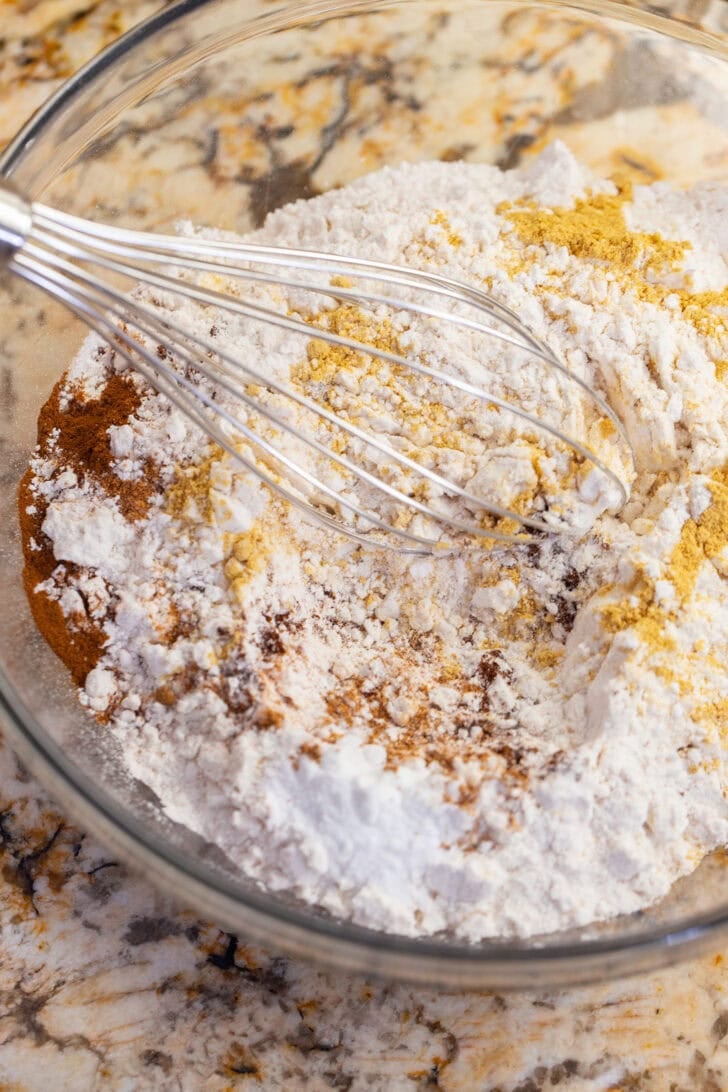
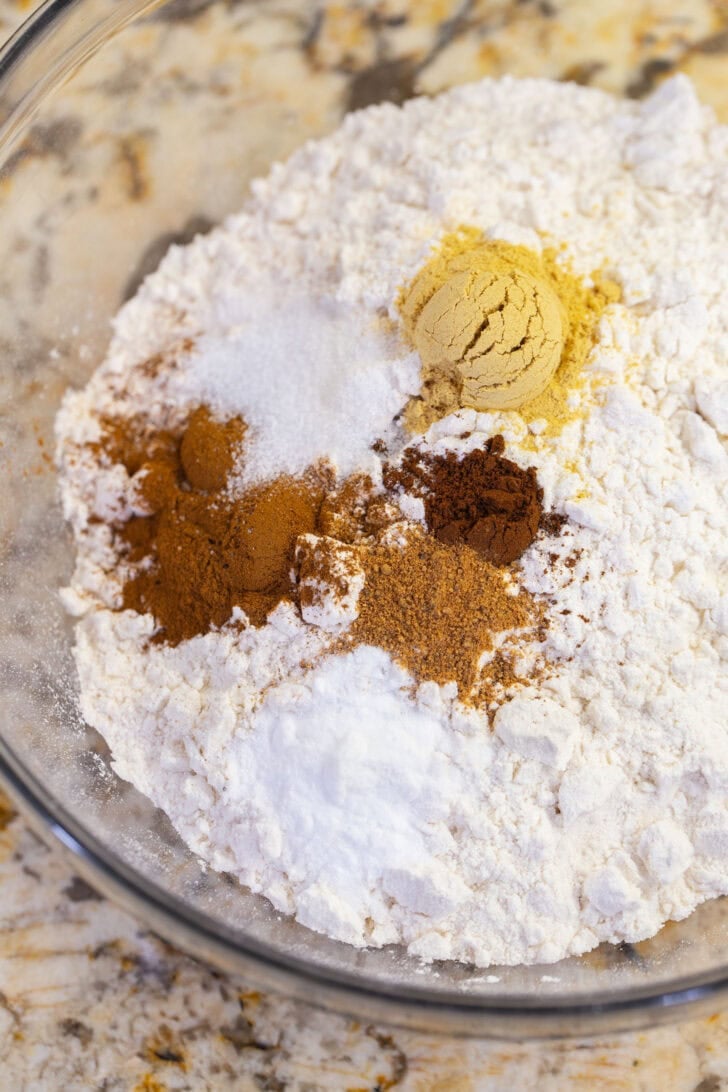
In a medium bowl, whisk together the flour, baking soda, ginger, cinnamon, cloves, nutmeg, and salt. Doing this first spreads the spices and baking soda evenly through the dough.
Step 2 – Cream the butter and brown sugar.
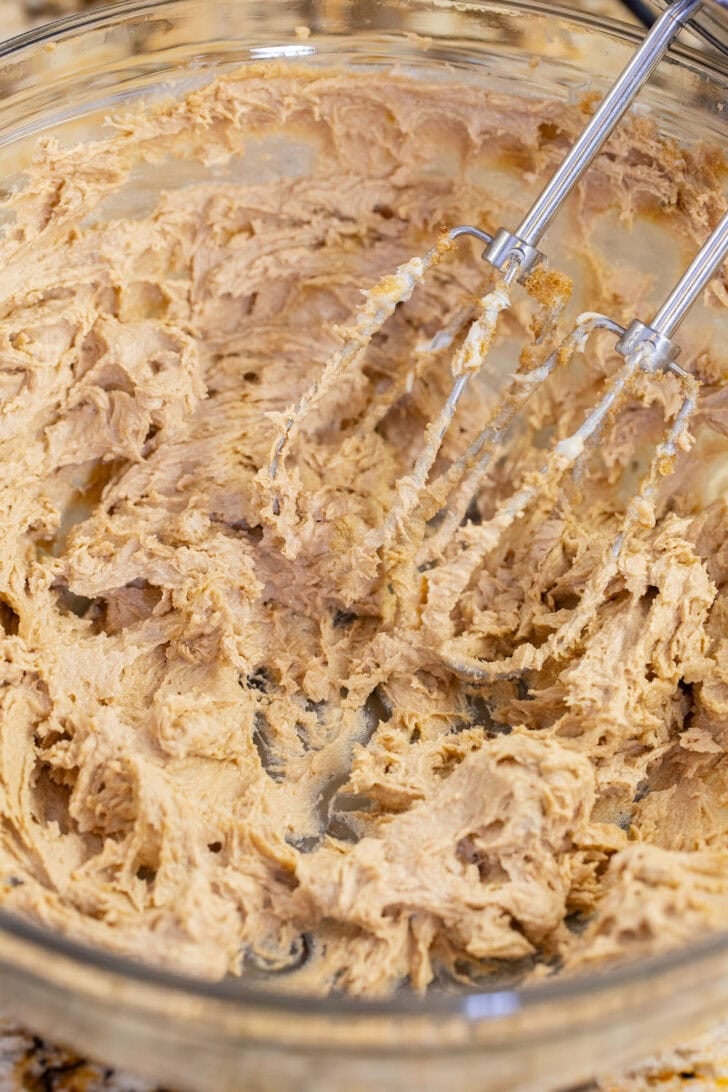
In a large bowl, beat the softened butter and dark brown sugar with a hand mixer for 2 to 3 minutes, until it’s smooth and fluffy.
Step 3 – Add the molasses, milk, and vanilla.
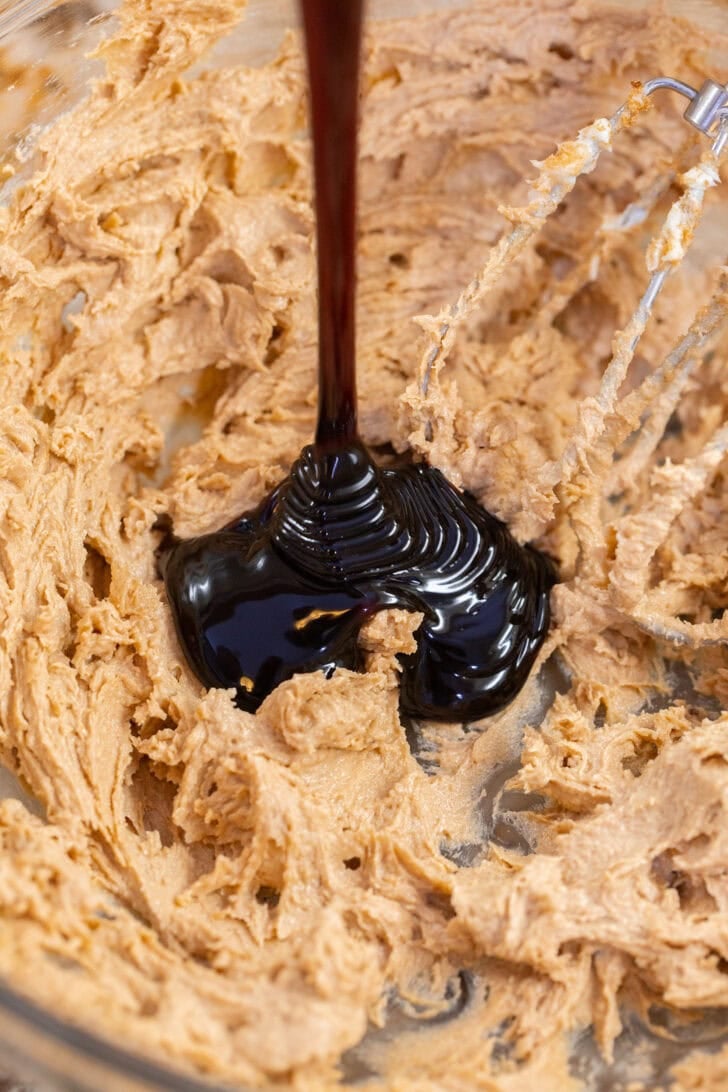
Beat in the molasses, then the milk and vanilla. It might look a little separated at this point, and that’s fine.
Step 4 – Mix in the dry ingredients.
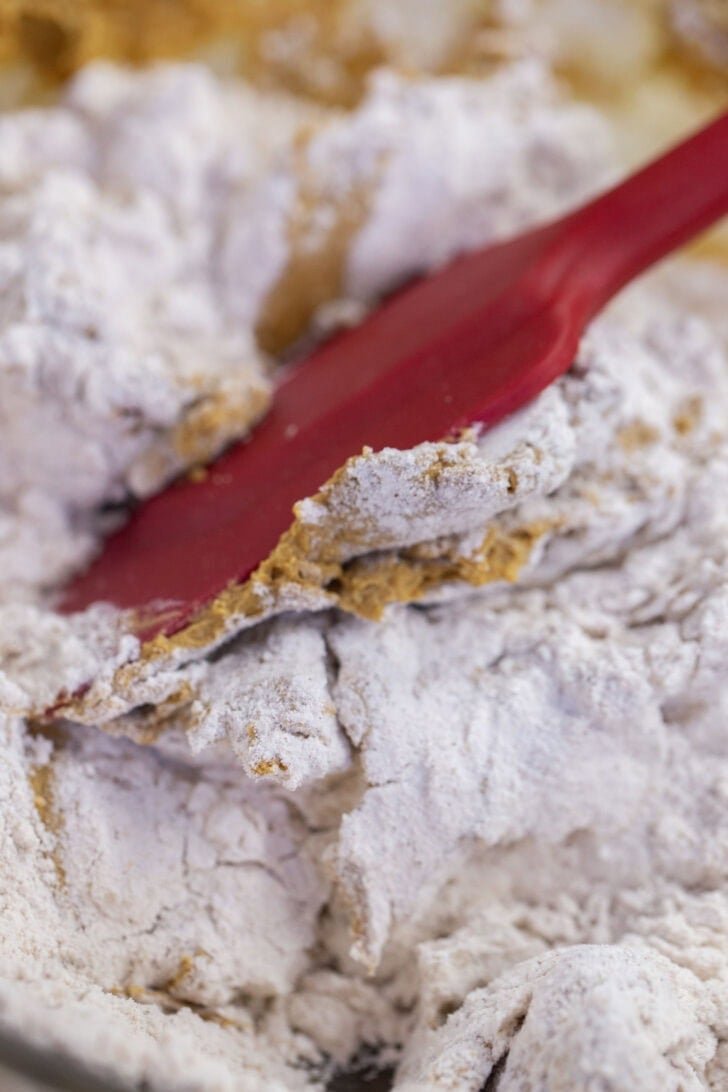
Add the dry ingredients and mix on low, or fold them in with a spatula, just until a soft dough forms. Stop as soon as you don’t see dry flour, since overmixing can make the cookies tough.
Step 5 – Chill the dough.
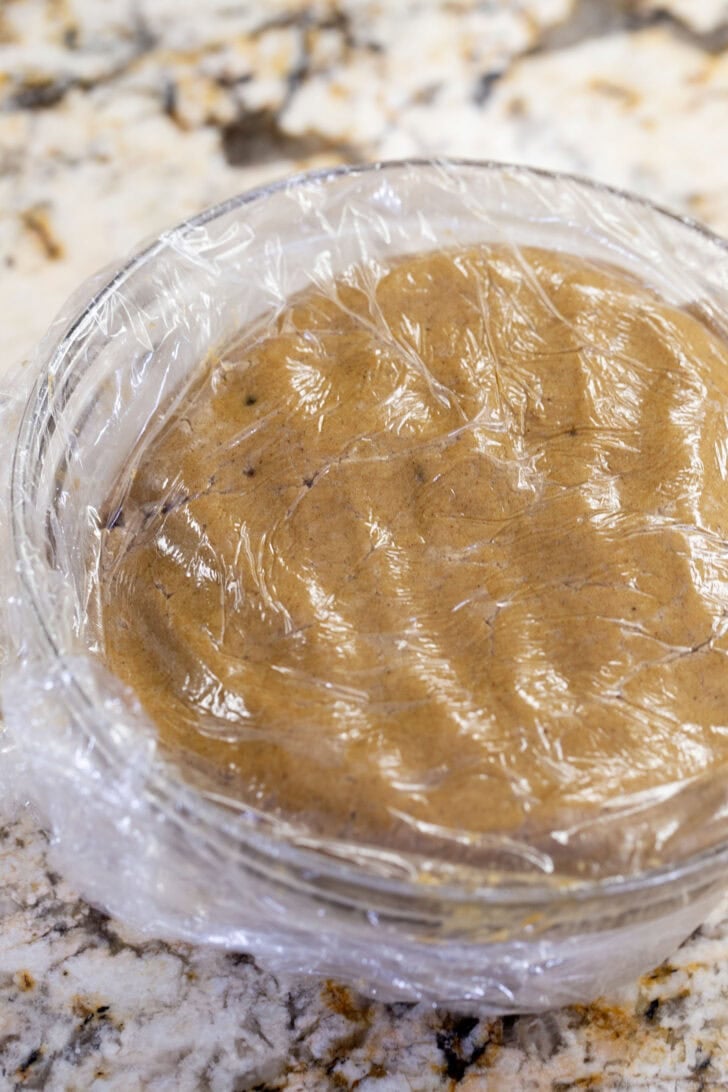
Cover the bowl and refrigerate for about 30 minutes. The dough will be much easier to roll, and the cookies won’t spread as much.
Step 6 – Roll the dough in sugar.
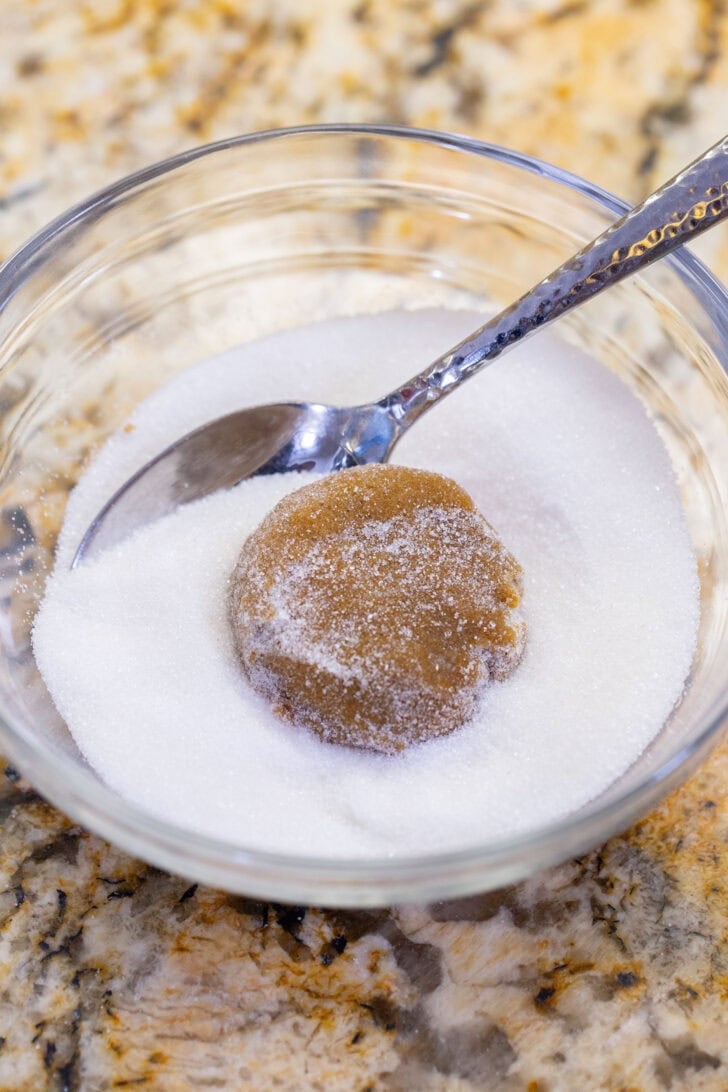
Preheat the oven to 350°F (180°C) and line your baking sheets with parchment paper. Put the granulated sugar in a shallow bowl. Scoop the dough, roll it into balls, and roll each ball in the sugar until it’s coated. Space them 2½ to 3 inches apart on the baking sheets.
Step 7 – Bake.
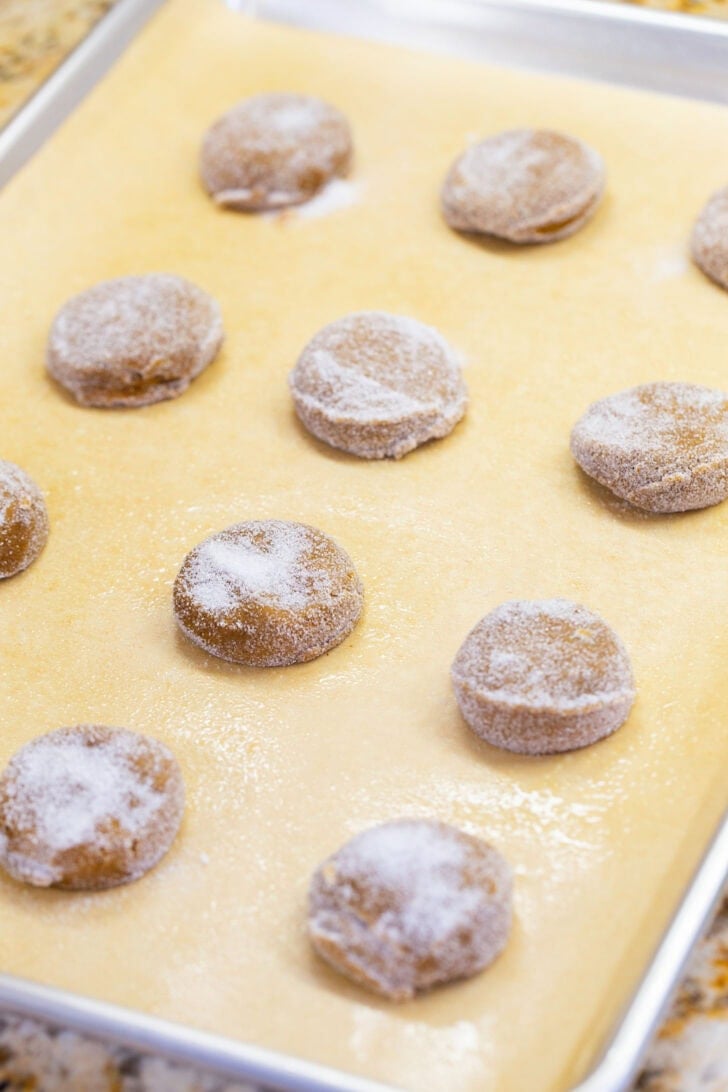
Bake for 10 to 12 minutes, until the edges are set and the tops are crackled. I like to pull mine at about 11 minutes, while the centers still look a little soft.
Step 8 – Cool.
Let the cookies sit on the baking sheet for 5 minutes before moving them to a wire rack. They’ll firm up as they cool.
Tips for Soft, Chewy Gingerbread Cookies
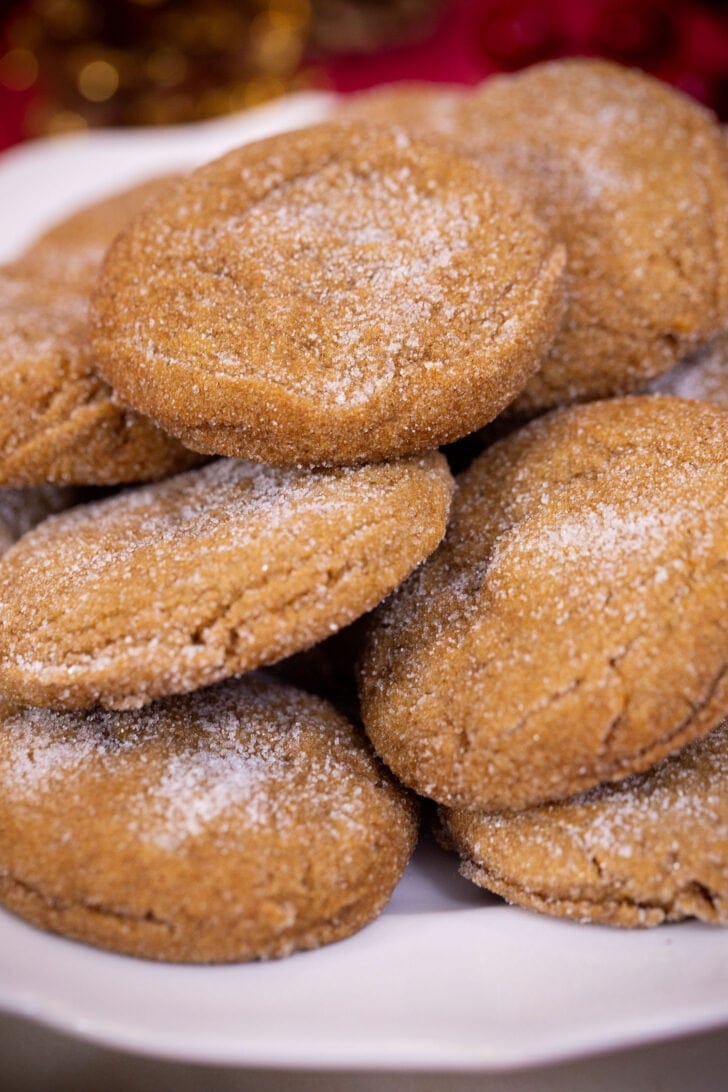
Take them out before they look done. This is the biggest one. The edges should be set and the tops crackled, but the centers should still look slightly soft. They keep baking for a few minutes on the hot pan, so if you wait until the centers look firm, they’ll end up drier and crispier than you want.
If they spread too much, chill the dough longer. Warm dough or overly soft butter is usually the cause. Give the next batch 45 to 60 minutes in the fridge before baking.
How to Make Thicker or Flatter Cookies
The easiest way to change the shape is with the chill time, so try that before adding more flour or changing the recipe.
For thicker cookies, chill the dough a little longer. Colder dough spreads less in the oven. For flatter, chewier cookies, let the chilled dough sit out for 5 to 10 minutes before baking, or press each ball down slightly.
What to Serve with Gingerbread Cookies
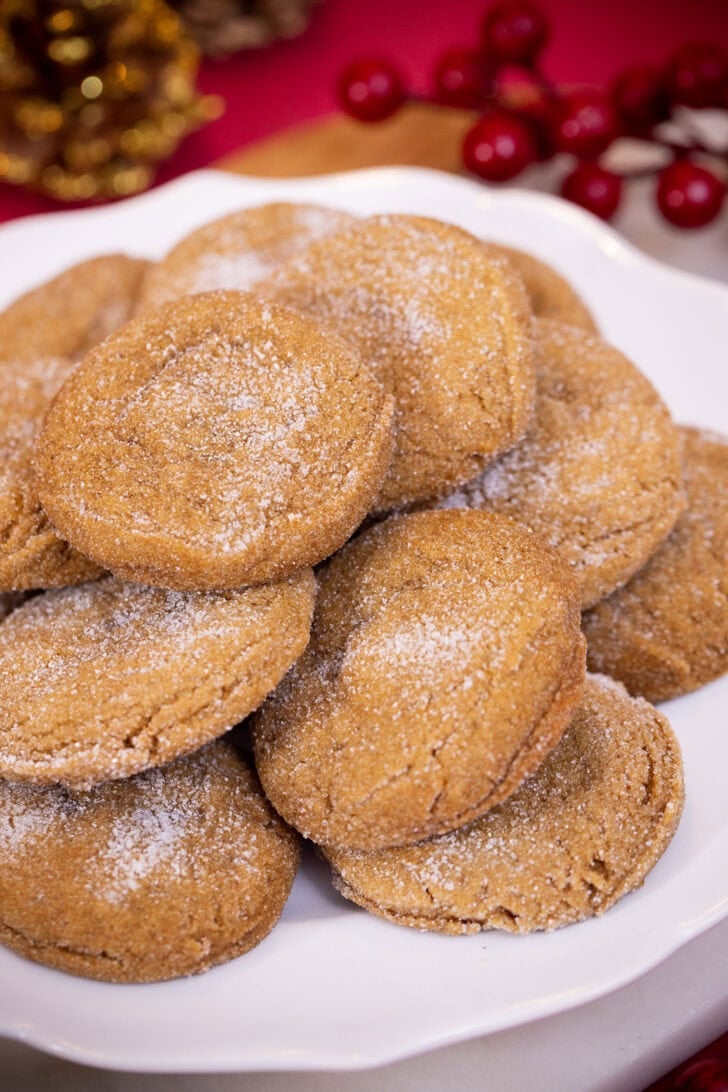
These are great with coffee, hot chocolate, or a chai latte. For the most festive version, have them with a gingerbread latte made with my Gingerbread Simple Syrup. It has a lot of the same flavors as the cookies, so they go together really well. They also look nice on a holiday dessert board next to other Christmas cookies and chocolates.
Storage
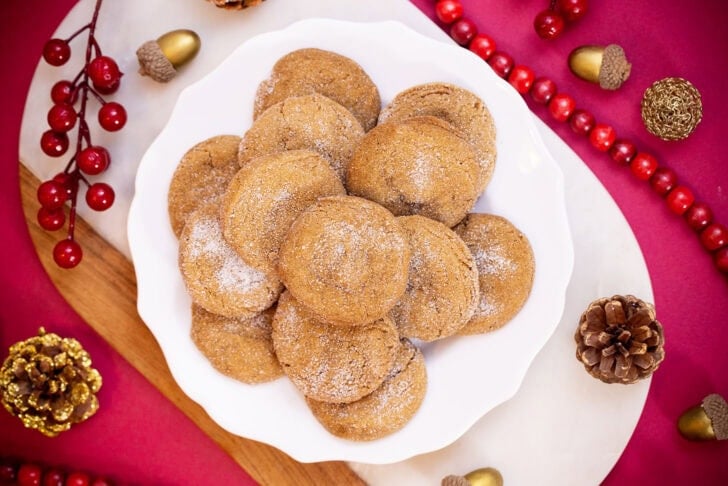
Let the cookies cool completely, then keep them in an airtight container at room temperature for 4 to 5 days. The molasses keeps them moist, and they often get even softer and chewier overnight.
To freeze, put the cooled cookies in a freezer-safe airtight container for up to 2 to 3 months. Thaw them at room temperature before serving.
FAQ
- Can you make gingerbread cookies without eggs? Yes! Butter, milk, and molasses hold this dough together, so you don’t need eggs or an egg substitute.
- Are these gingerbread cookies soft or crunchy? They’re soft and chewy with lightly crisp edges. For the softest centers, don’t overbake them.
- Can I use light brown sugar instead of dark? Yes, but the molasses flavor will be a little milder. Dark brown sugar gives you the richest gingerbread taste.
- Can I skip the molasses? Not in this recipe. It’s what gives the cookies their flavor, color, and chewiness, so without it they’d be a completely different cookie.
- Can I use blackstrap molasses? I wouldn’t. It’s much stronger and more bitter than regular unsulphured molasses and can overpower the spices.
- Why do I need to chill the dough? Chilling firms it up so it’s easier to roll and keeps the cookies from spreading too much.
- Can I use this dough for gingerbread men? This dough is made for scooping and rolling, not cutouts. For gingerbread men or other shapes, use a recipe made for rolling and cutting.
- How do I know when they’re done? Look for set edges, crackled tops, and centers that still look a little soft. They’ll firm up as they cool.
More Holiday Cookies to Try!
- Soft Eggless Pumpkin Cookies. If you like how soft these are, the pumpkin version is just as tender, and it’s also made without eggs.
- 5-Ingredient Pecan Snowball Cookies. They’re another egg-free cookie, and they look great next to gingerbread on a holiday cookie tray.
- Classic Christmas Spritz Cookies. These buttery little cookies are a classic to make alongside gingerbread for a cookie exchange.
- Peppermint Mocha Cookies. These are chocolatey and minty, which is a nice contrast to all the warm spice in gingerbread.
- Eggless Oatmeal Chocolate Chip Cookies. Try these when you want an egg-free cookie for any time of year.
- Peppermint Hot Chocolate. It’s rich, cozy, and perfect for dunking a gingerbread cookie.
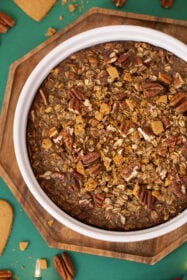
And if you can’t get enough gingerbread, try my Gingerbread Oatmeal Bake for an easy holiday breakfast!
Eggless Gingerbread Cookies
Ingredients
- ¾ cup butter, unsalted, softened (170g)
- ¾ cup dark brown sugar, packed (150g)
- ¼ cup molasses, unsulphured, not blackstrap (85g)
- 3 tablespoons milk, whole or 2% (45mL)
- 1 teaspoon vanilla extract
- 2¼ cups all-purpose flour, (270g)
- 1 teaspoon baking soda
- 2 teaspoons ground ginger
- 1½ teaspoons ground cinnamon
- ¼ teaspoon ground cloves
- ¼ teaspoon ground nutmeg
- ½ teaspoon fine salt
- ¼ cup granulated sugar, for rolling
Instructions
- In a medium bowl, whisk together the flour, baking soda, ginger, cinnamon, cloves, nutmeg, and salt.
- In a large bowl, beat softened butter and dark brown sugar with a hand mixer for 2–3 minutes, until smooth and fluffy.
- Add the molasses and beat until incorporated.
- Add the milk and vanilla extract, mixing until combined. The mixture may look slightly separated; that’s okay.
- Add the dry ingredients and mix on low speed or fold with a spatula just until a soft dough forms. Don’t overmix.
- Cover and refrigerate for 30 minutes, until the dough is easy to scoop and roll.
- Preheat the oven to 350°F (180°C) and line baking sheets with parchment paper.
- Place the granulated sugar in a shallow bowl.
- Scoop the dough with a 1½-inch cookie scoop, roll into balls, then coat each ball in granulated sugar.
- Arrange cookies about 2½–3 inches apart on the baking sheets.
- Bake for 10–12 minutes, until the edges are set and the tops are crackled but the centers still look slightly soft. About 11 minutes is a good starting point.
- Cool on the baking sheet for 5 minutes before transferring to a wire rack.
Notes
- Use regular unsulphured molasses, not blackstrap.
- Chill the dough before rolling to make it easier to handle.
- Don’t overbake! The cookies will continue setting as they cool.
- For thicker cookies, chill the dough longer.
- For flatter cookies, allow chilled dough to warm slightly or gently flatten before baking.
- Store cooled cookies in an airtight container for 4-5 days to help maintain their soft texture.